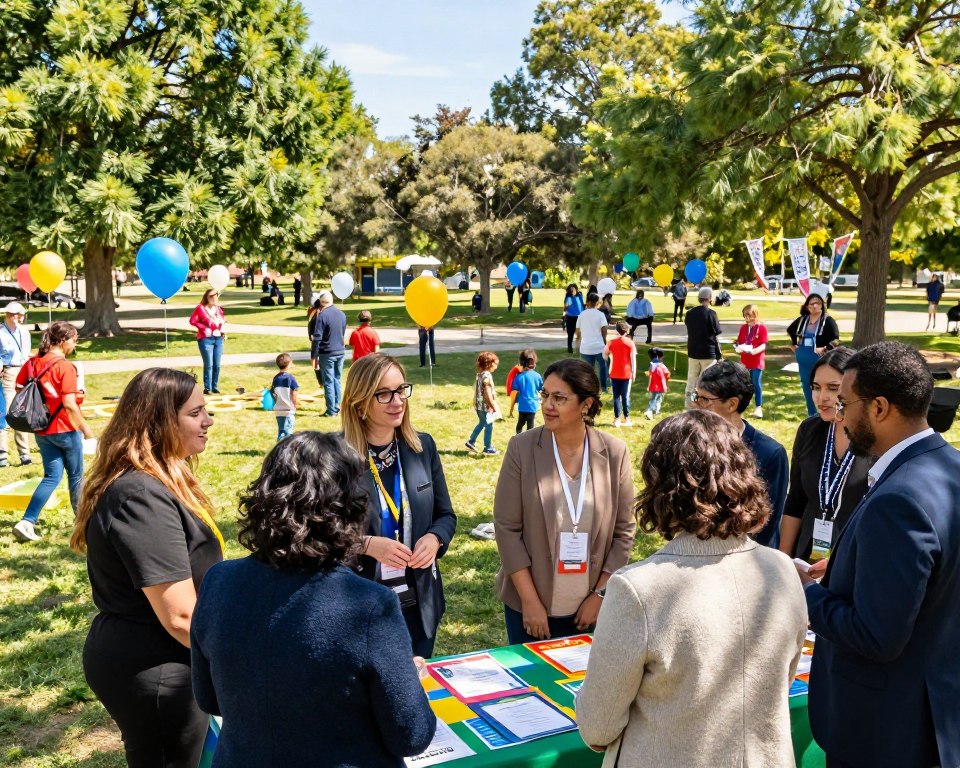
You are moving beyond one-way marketing. A shift toward a relationship-driven model makes loyalty real and measurable. This section frames how passive followers become active advocates through ongoing value and trust.
Expect a practical guide. You will get tools that show how community work cuts acquisition costs and boosts retention. Learn a clear strategy framework, engagement plays, and metrics you can track.
This is urgent now. Attention is fractured and campaigns fade fast. By treating your network as an operating system, your brand gains durable connections and authentic influence.
In short: you’ll learn models to choose, steps to build trust, and ways to measure impact so your marketing earns real, lasting loyalty.
What a Brand Community Is and Why It Changes Everything
Think of a brand community as an ongoing conversation, not a marketing broadcast. A simple audience watches; a community interacts. You get emotional ties, repeated interactions, and members who help each other.
How this differs from plain awareness: awareness measures reach. A community creates two-way relationships where people ask, answer, and co-create. That shift turns passive attention into measurable value.
Where you can build presence:
- Online: Facebook Groups, Discord or Slack channels, branded forums, and in-app communities.
- Offline: local meetups, product launches, workshops, and experiential events.
- Hybrid: always-on digital support plus periodic in-person activations for deeper bonding.
Why it matters: a community is a behavior system—discussion, support, sharing, and co-creation—not just another channel. Good guidelines and consistent moderation protect your brand and help members feel safe, which ultimately builds trust and long-term value.
The Business Case for Community-Led Loyalty in Today’s Social Media Landscape
Brands that treat people as participants, not targets, win attention that lasts. You need a clear ROI story so your community work is seen as business-critical, not optional.
Why this cuts through marketing noise
Interaction loops — questions, answers, feedback, and stories — make connections feel personal. Those loops create repeat touchpoints that beat one-way media and ad fatigue.
Proof points that matter
- 73% of consumers view brand community positively.
- 84% say participation shapes brand perception.
- 66% of brands report higher retention after launching programs.
Where business value appears
- Lower churn and more repeat purchases.
- Stronger engagement, better sentiment, and more user content that expands reach.
- Faster product learning via member insights.
Remember: social media reaches 4.9B+ people and averages about 143 minutes daily. Treat that layer as an always-on loyalty touchpoint to drive lasting success.
Choose Your Community Model: Passion, Practice, or Purpose
Your community succeeds when its format reflects why members join: fandom, learning, or mission.
Passion-led groups center identity. Customers gather around a lifestyle or product fandom. They create shared experiences, amplify your brand publicly, and often defend it during criticism.
Practice-led groups focus on skill and problem solving. Professional forums or user support hubs scale peer-to-peer help. That reduces support costs and builds reusable knowledge that benefits all members.
Purpose-led groups unite people around values and mission. Think Patagonia: shared causes deepen loyalty and create a lasting sense belonging that outlives price battles.
Quick fit checks
- What do your people want? Identity, mastery, or meaning?
- What can your team sustain? Content, moderation, or events?
- What outcomes matter? Retention, advocacy, or support?
One brand can mix models. You might host practice content inside a passion-driven space while keeping a clear primary promise. Plan member roles early so contributors and leaders emerge naturally.
From Followers to Advocates: The Journey of Community Loyalty
A clear ladder of engagement shows exactly how someone moves from passive interest to public recommendation. Map that ladder so you can spot where people are now and what nudges move them up one rung.
- Follower — occasional attention and low interaction.
- Engaged member — consistent interaction, questions, and replies.
- Contributor — starts posting useful tips and resources.
- Champion — visible leaders who welcome newcomers and set norms.
- Advocate — promotes you outside owned channels and influences purchase decisions.
Design for three psychological drivers: trust, belonging, and identity. When you build rituals, recognition, and helpful feedback loops, advocacy becomes a predictable outcome rather than luck.
Social proof forms in everyday moments. Look for comments that resolve objections, stories showing results, posts that normalize use, and user-generated content that proves authenticity.
- Encourage a how-to video from a member.
- Prompt before/after posts with a branded hashtag.
- Spotlight defenders who respectfully correct misinformation.
These are practical advocacy moments you can plan and reward. When you measure movement along the ladder and amplify social proof, your work turns followers into vocal, dependable advocates.
Build Your Community Strategy Framework (Purpose, People, Platforms)
Define a north star so every decision aligns with a clear mission and a simple community promise. This creates a true sense belonging where participation feels like joining, not being marketed to.
Set measurable goals tied to growth, advocacy, and retention. Track referrals, repeat visits, and user-generated posts as proof points you can show executives.
Research your audience with polls, Q&As, surveys, and native social insights. Use results to create member personas: lurker, helper, creator, and leader.
- Map touchpoints from onboarding to contributor pathways and formal roles.
- Design access levels, moderation rules, and content governance to protect value.
- Pick platforms that fit your people and purpose, not trends.
Operationalize your approach with clear guidelines, role definitions, and escalation paths so quality scales as you grow. Repeat this framework when you build or repair a program and you will stop guessing and start delivering measurable results.
Community Engagement That Drives Real Participation (Not Just Likes)
True participation shows up as replies, DMs, and repeat attendance—not just quick taps on a post. You should measure posts, replies, collaboration, and returning members as signs of health. Likes are a weak proxy; they don’t show problem-solving, mentoring, or sustained interest.
Build a content system that earns attention: offer tutorials that help members win, behind-the-scenes notes that humanize your team, and problem-solving posts that remove friction.
- Interactive formats: run live sessions, polls, and Q&As. Use structured challenges to create habit-forming participation.
- UGC engines: launch hashtags, short prompts, and fair incentives so user-generated content scales authentic stories.
- Improve comments: ask specific prompts, tag active members, and respond quickly so discussions stay useful rather than noisy.
Facilitate member-to-member connections with spotlights, mentorship pairings, and collaboration prompts that build real relationships. Mix virtual sessions, local meetups, and experiential events so different needs are served.
- Plan events that teach, celebrate, and test ideas.
- Reward contributions without buying endorsements.
- Keep incentives aligned with your purpose to protect authenticity.
Turn Your Loyalty Program Into a Community Flywheel Using Social Media
D. When you design for activity, not just signups, your program becomes a self-reinforcing engine.
Loyalty reality check: U.S. consumers hold about 17.9 memberships but use only half actively. Treat active participation—not enrollment—as the KPI that matters.
How social media turns points into momentum: daily prompts, visible leaderboards, and short-form sharing make members return. Those media touchpoints create habit-forming loops and measurable participation.
- Exclusive social-only rewards: bonus points for posts, early access, and surprise perks for helpful behavior.
- Gamification and challenges: clear rules, deadlines, and recognition that can more than double engagement when done right.
- Influencer and ambassador plays: use trusted creators (69% of consumers rely on influencer recommendations) while keeping brand fit and disclosure strict.
Guardrails: avoid over-incentivizing low-quality posts, protect culture, and reward usefulness. Each tactic should map to outcomes: higher engagement, more advocates, greater reach, and stronger long-term loyalty.
For a deeper playbook on turning one-time buyers into lasting supporters, see build lasting customer relationships.
How You Measure Community Success: Engagement, Sentiment, and Business Impact
Measure what matters: pick signals that link daily activity to revenue, support savings, and product insights. Define success for both members and your executives so reports reflect real outcomes, not vanity numbers.
Community health metrics you can track weekly include active users, response rates, post volume, and time spent. These show habit, usefulness, and how often people return.
- Engagement: active users, posts, replies, and average time on platform.
- Support efficiency: peer resolution rate, time-to-first-response, and ticket reduction.
- Loyalty & revenue: retention rate, repeat purchase behavior, and customer lifetime value (CLV).
- Advocacy: referrals, reviews, UGC volume, and share of voice with clear attribution rules.
- Insights: feedback frequency, product suggestion volume, and patterns that inform content and product roadmaps.
Use a simple cadence: weekly health dashboards, monthly growth and advocacy updates, and quarterly business-impact reviews. This keeps teams accountable and shows how engagement and feedback turn into measurable business value.
Brand Community Examples You Can Learn From
Real brands teach through membership—look at how four leaders turn customers into repeat contributors.
Sephora Beauty Insider
Sephora runs a massive UGC-driven discovery engine with 6M+ members. Categories, tutorials, and product education make large scale feel personal.
Nike Membership
Nike uses specialized profiles, exclusive drops, and identity signals to make products feel like lifestyle choices. That exclusivity reinforces repeat participation.
Patagonia
Patagonia ties products to purpose. Environmental initiatives give members meaningful ways to act and deepen relationships that go beyond purchases.
Tesla
Tesla benefits from owner-driven stories and technical insights. Peer troubleshooting and real-world reports expand organic reach and trust.
Common patterns:
- Clear promise and repeatable rituals.
- Visible recognition and pathways for advocates to contribute.
- Education formats that scale: guides, how-tos, and spotlights.
Steal this: prompt user-generated content with short how-to prompts, run timed exclusives, and build recurring learning sessions that highlight member insights.
Conclusion
Finish strong by building systems that make engagement a predictable driver of growth. Your community turns loyalty into a durable system where your audience forms real relationships with your brand and with each other.
Choose a model, set measurable goals, and run participation-focused plays. Deliver useful content, align incentives with behavior, and treat social as an always-on channel for marketing and habit formation.
Make a strong, visible promise and follow through; trust grows when you give consistent value. Advocacy arrives after repeated positive moments and genuine connections. Audit current touchpoints, pick one near-term initiative (UGC prompt, live session, challenge), measure impact, and keep investing in ways that build community as a long-term moat for growth.